

Acupuncture
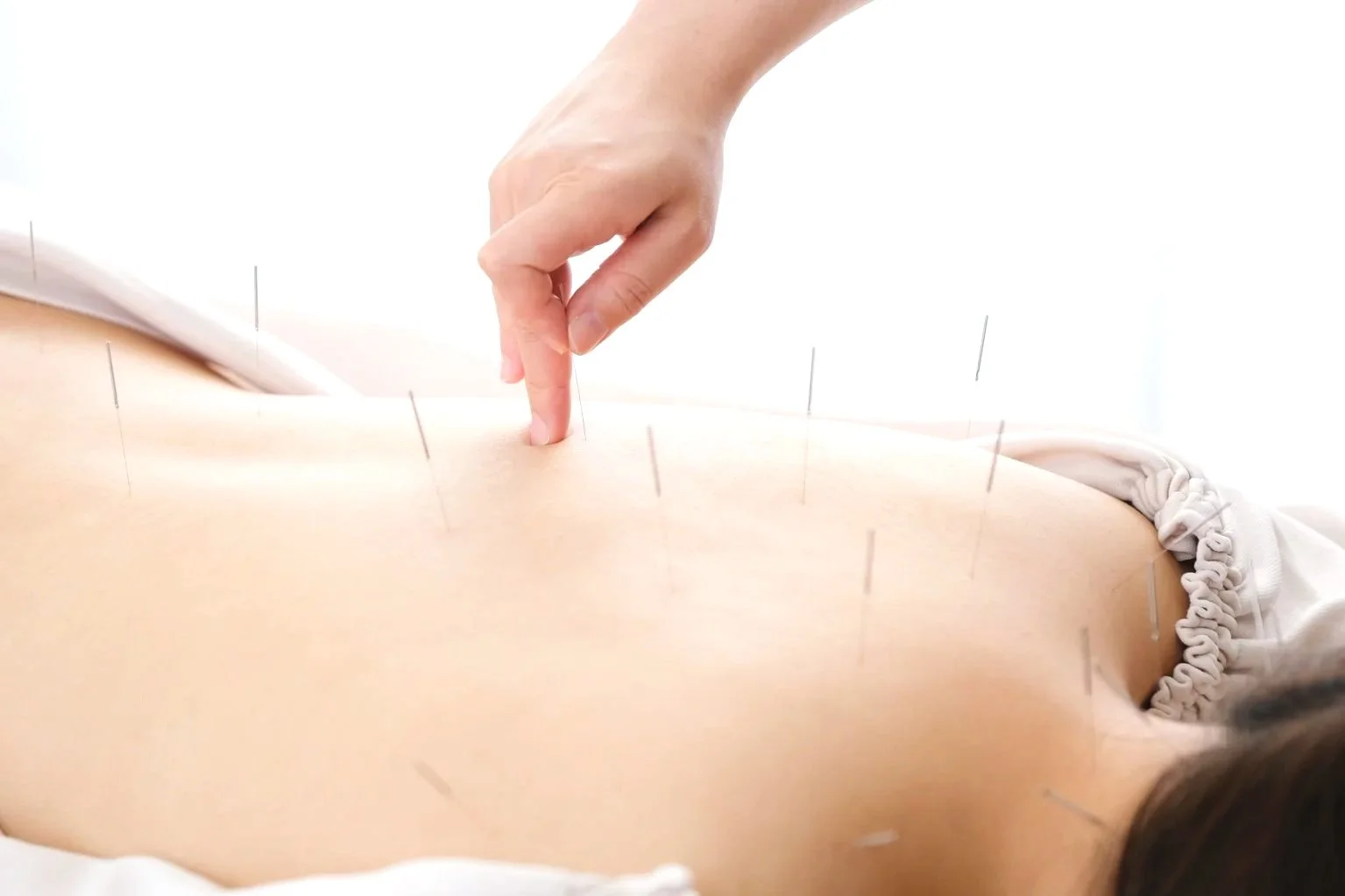
Traditional acupuncture is one of the complementary practices that make up the system of Traditional Chinese Medicine (TCM), which originated in China a few thousand years ago. It is based on the principles of Traditional Chinese Medicine.
What conditions can acupuncture be used to treat?
Conditions Recommended for Acupuncture Treatment by the World Health Organisation (WHO)1. Pain-Related Conditions
· Headaches, migraines, trigeminal neuralgia
· Neck, shoulder, lower back, and leg pain (e.g., cervical spondylosis, lumbar disc herniation, arthritis)
· Fibromyalgia, myofascial pain syndrome
· Postoperative pain, cancer-related pain (adjuvant analgesia)
2. Neurological Disorders
· Post-stroke sequelae (e.g., limb numbness, speech impairment)
· Facial paralysis (Bell's palsy)
· Peripheral neuropathy (e.g., diabetic neuropathy)
· Insomnia, anxiety, mild depression (regulating autonomic nervous system function)
3. Digestive System Disorders
· Functional dyspepsia, gastroesophageal reflux
· Irritable bowel syndrome, chronic constipation
· Nausea and vomiting (e.g., post-chemotherapy or pregnancy-related)
4. Gynaecological Disorders
· Primary dysmenorrhea, menstrual irregularities
· Menopausal syndrome
· Adjuvant treatment for infertility (e.g., improving ovarian function)
5. Respiratory System Disorders
· Allergic rhinitis, sinusitis
· Asthma (adjuvant symptom relief)
· Chronic bronchitis
6. Others
· Allergic skin conditions (e.g., eczema, urticaria)
· Chronic fatigue syndrome
· Immune function regulation (adjuvant enhancement of resistance)
In fact, experienced and professional practitioners can treat many more diseases than those recommended by the WHO.